Confronting Housing Challenges and Improving Lives for 60 years

From our founding in 1966 to today’s forward‑thinking housing solutions, MassHousing has built a legacy of innovation and impact. This timeline highlights the key milestones that shaped our mission, expanded our reach, and strengthened communities across Massachusetts.

1960s | The Founding

The Massachusetts Housing Finance Agency is Established

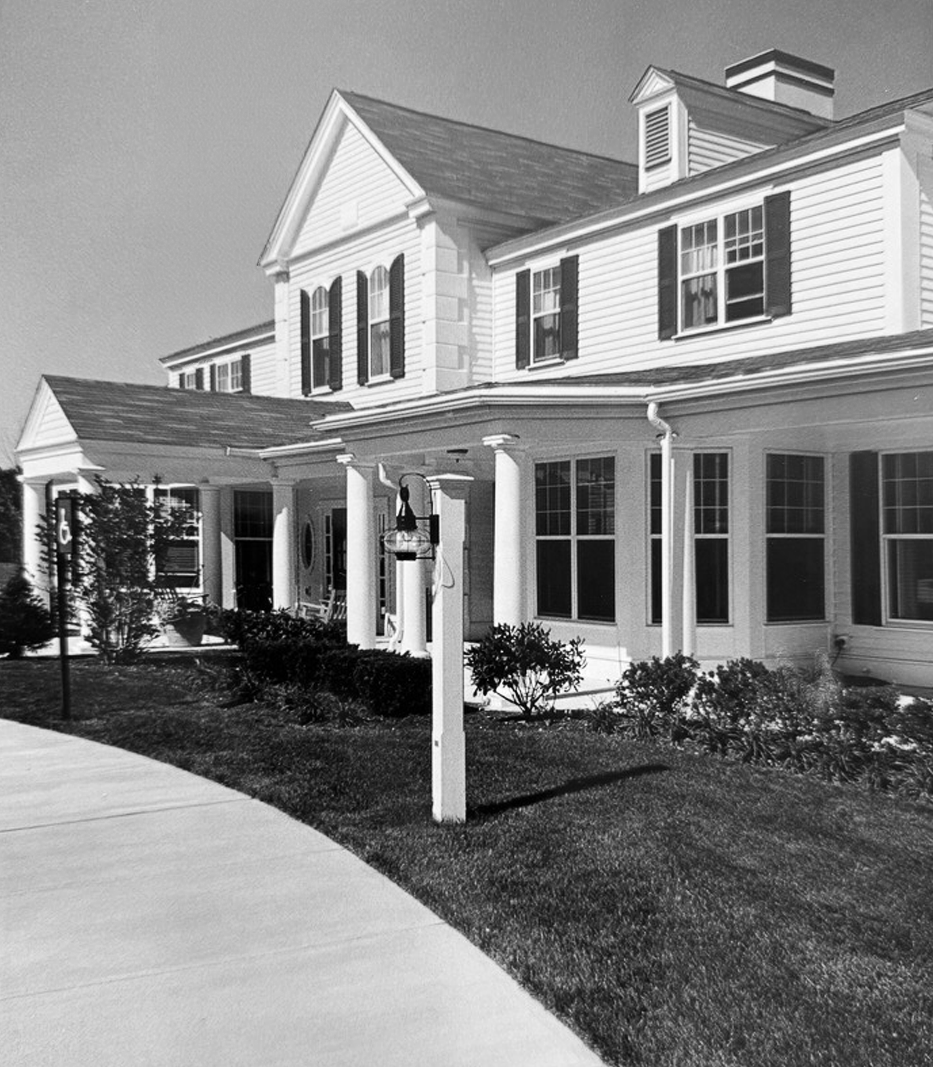
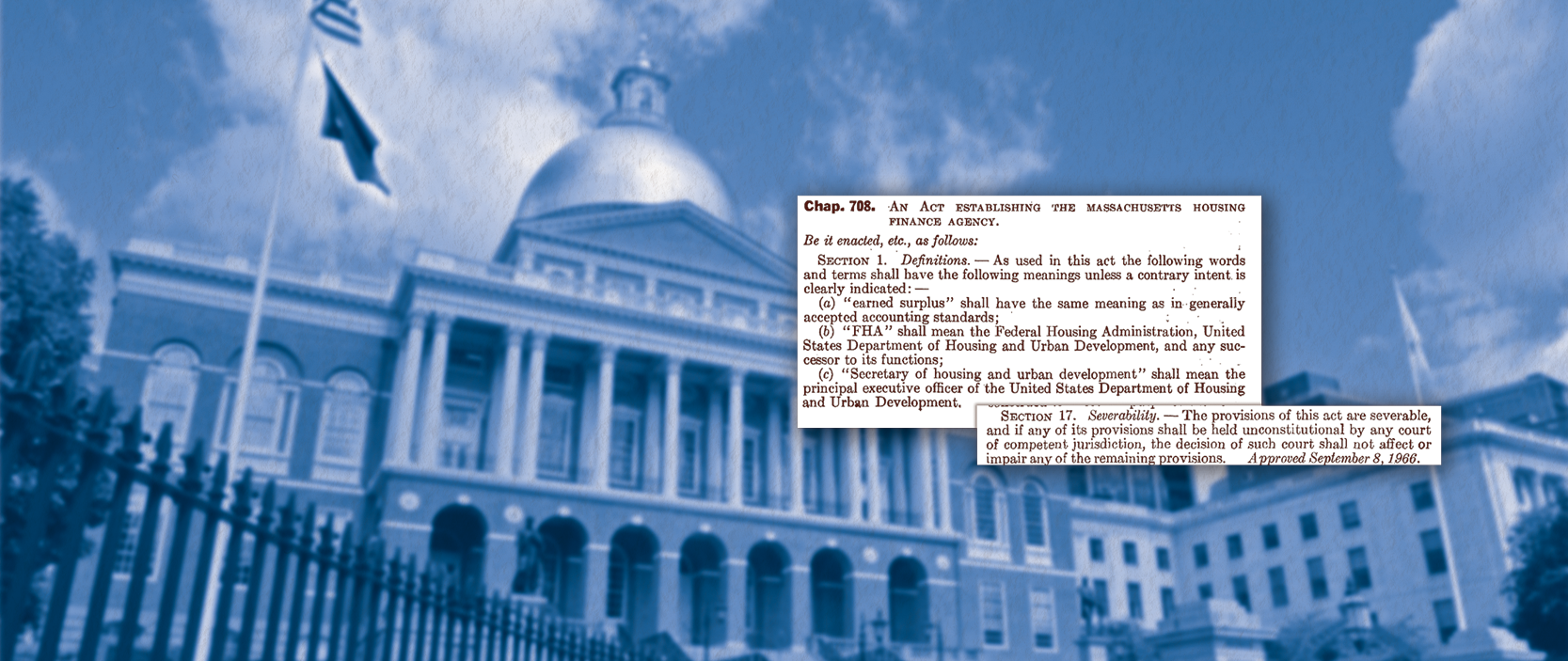
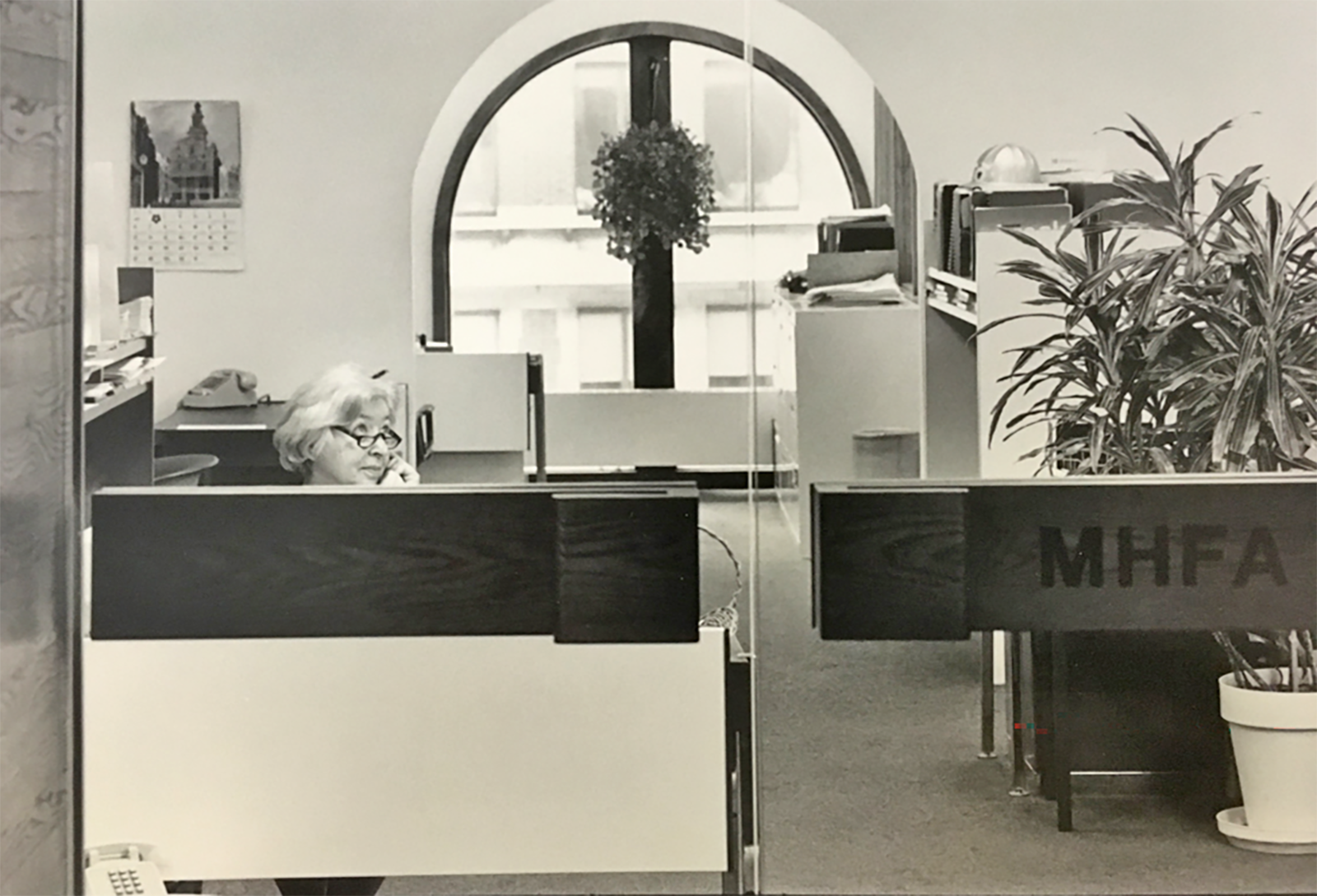
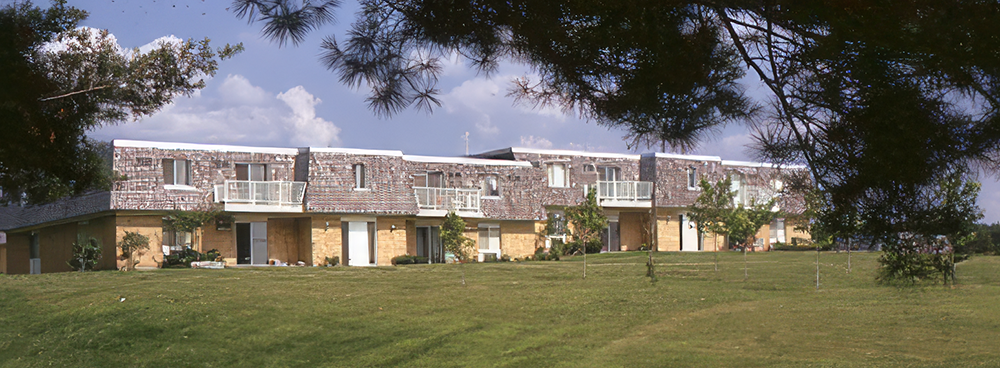
In 1965, the Special Commission on Low-Income Housing’s final report recommended the creation of the Massachusetts Housing Finance Agency (MHFA) to finance the production of mixed-income rental housing. The Agency was officially created with the passage of Chapter 708 of the Acts of 1966 by the Massachusetts Legislature. The MHFA held its first board meeting in October 1968, opened offices later that year in Old City Hall in Boston, and received initial funding of just $300,000 from the Legislature. By the early 1970s, MHFA had closed its first rental loan for a property known as Rolling Green Amherst (Pictured).
1970s | Building the Foundation

Impact Proven by the Numbers
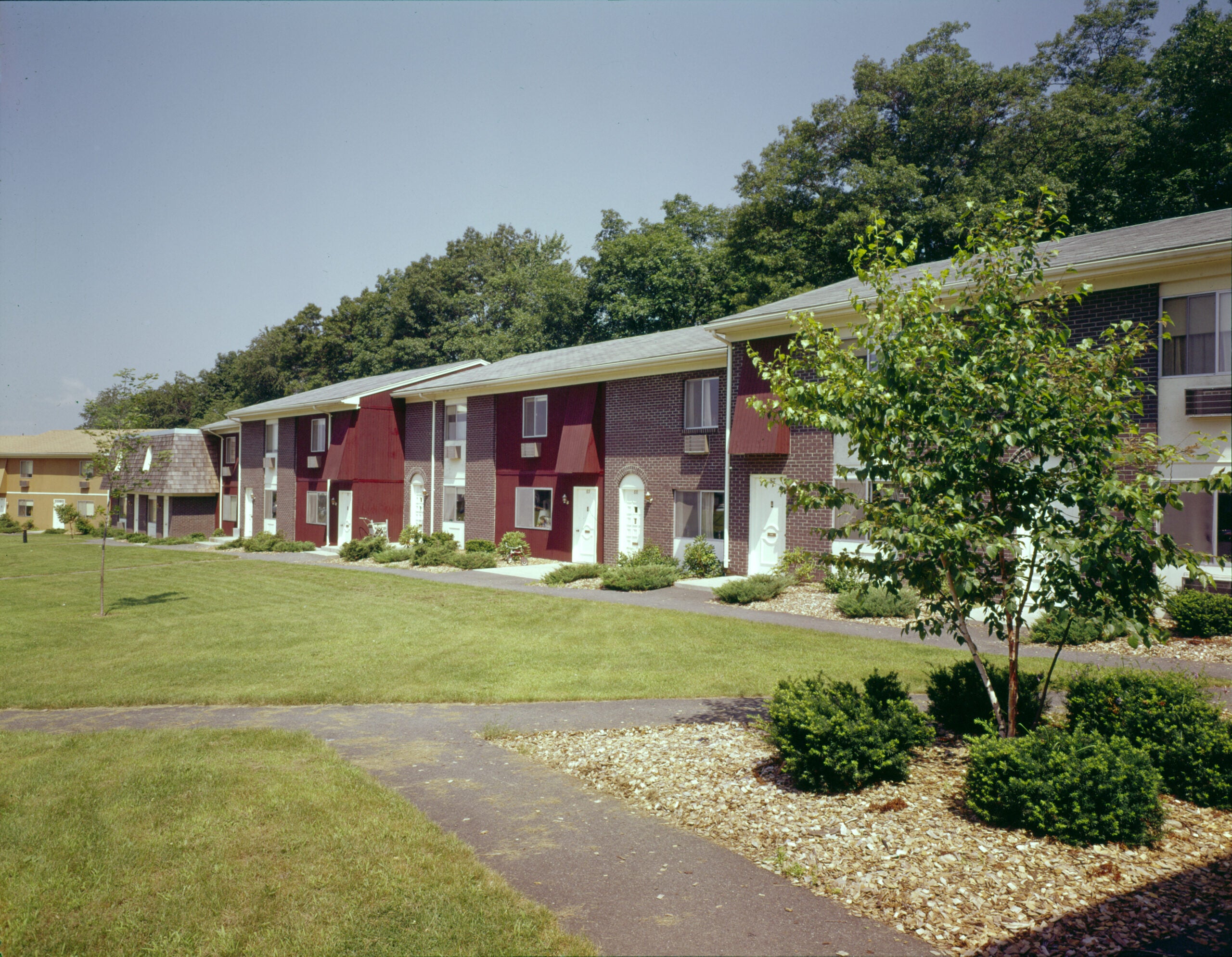
In its first decade (1968–1978), the Massachusetts Housing Finance Agency:

  • • Closed more than $1 billion in financing
  • • Created 37,000 housing units
  • • Impacted 74 cities and towns

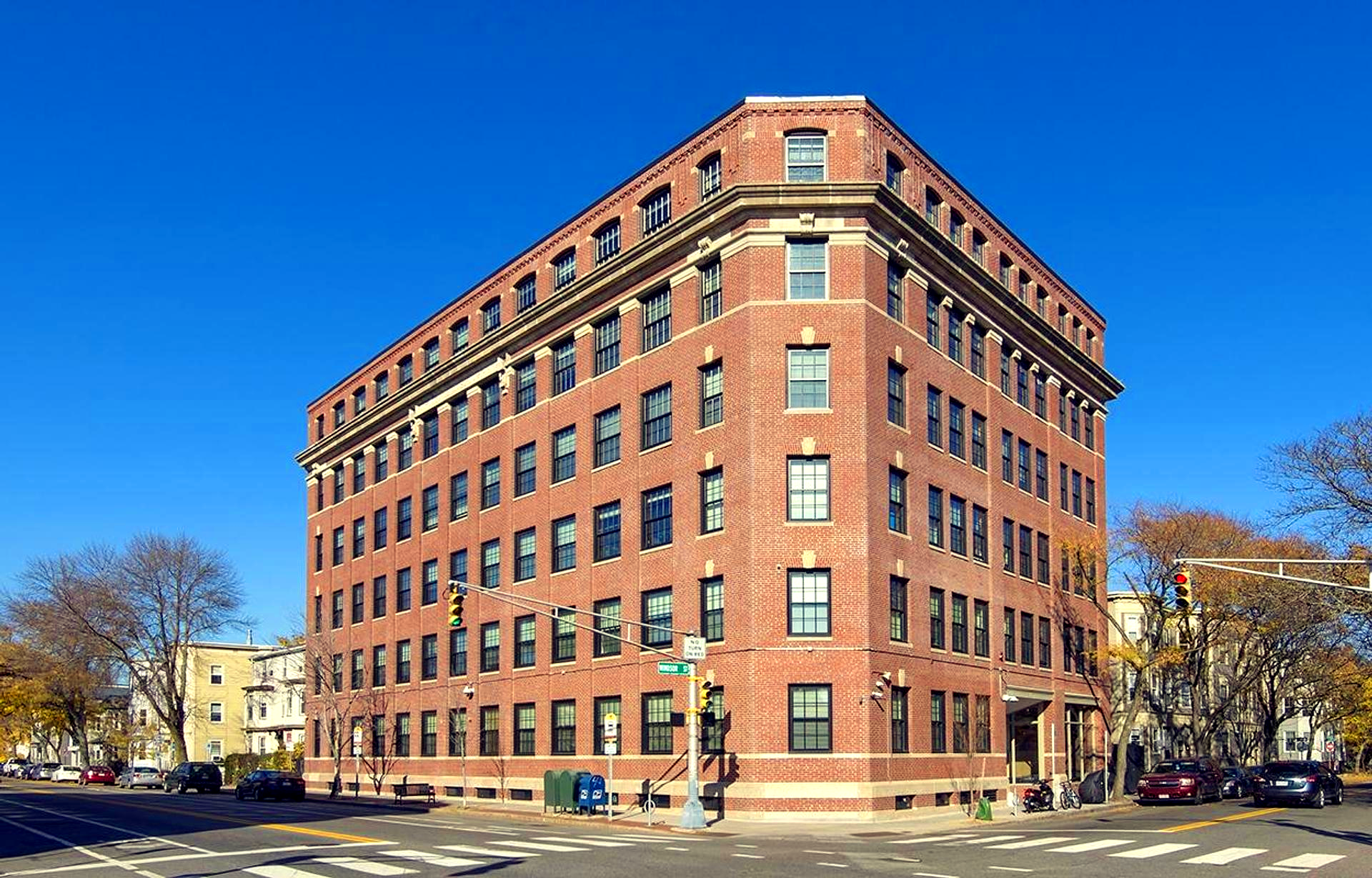
Pictured: The Close Building, a 61-unit housing community for older adults and families in Cambridge, received $1,574,600 in MHFA financing.

1980s | Expanding Our Impact

Bringing Affordable Home Mortgage Lending to Low- and Moderate-Income Buyers

In 1982, the Massachusetts Housing Finance Agency merged with the Massachusetts Home Mortgage Finance Agency, adding home mortgage lending for low- and moderate-income buyers to our program offerings. At that time, the Agency offered an interest rate on home loans of 12.5%, which was 3% lower than the market rate at that time of 15.5%. MHFA’s innovative creation of its own Mortgage Insurance Fund helped to further support its borrowers.

In 1984, Project TAP was initiated to train property managers and residents to deal with drug and alcohol abuse. This program has evolved over time to include trainings, diverse programs and workshops for residents, dispute resolution services to help address on-site conflict, and hoarding consultation and flex funds. Learn more about today’s TAP Program here.

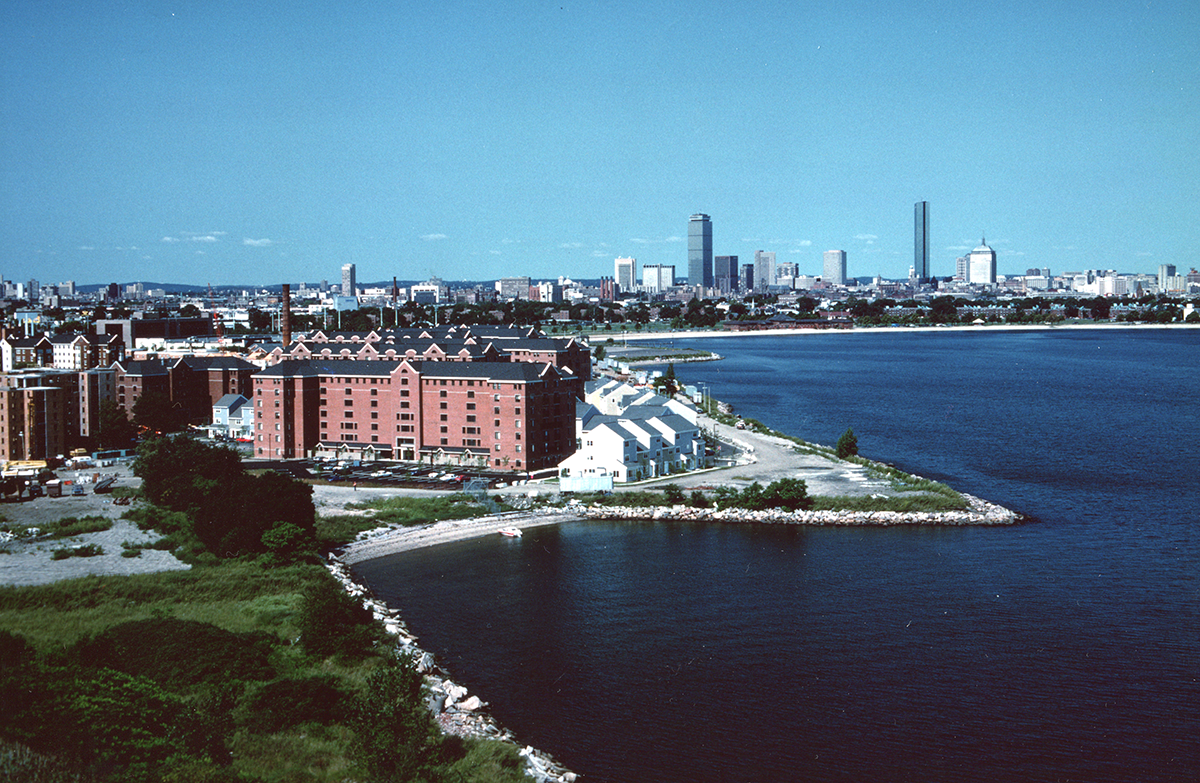
Pictured: Redevelopment of Boston’s Columbia Point housing project, a 1,282-unit mixed-income residential community that received $151 million in MHFA financing.

1990s | Growth, Preservation, Progress

Delivering New Programs, Record Results, and Expanded Support

From 1990 to 1999, MHFA expanded its statewide impact through major homeownership, rental production and preservation initiatives, including more than 22,000 home mortgage loans through the 1990s. This period also saw the launch of programs including Mortgage Credit Certificates, minority training initiatives, and expanded mortgage insurance authority. By 1991, MHFA’s investments reached $4.3 billion, supported federal preservation incentives, and delivered record-low home mortgage rates. In 1996, MHFA launched its in-house mortgage servicing department, which supports borrowers throughout the life of their loan.

Pictured: Allerton House in Weymouth, 1999

2000s | Housing Milestones

Breakthrough Projects and Programs Reshaping Massachusetts Communities

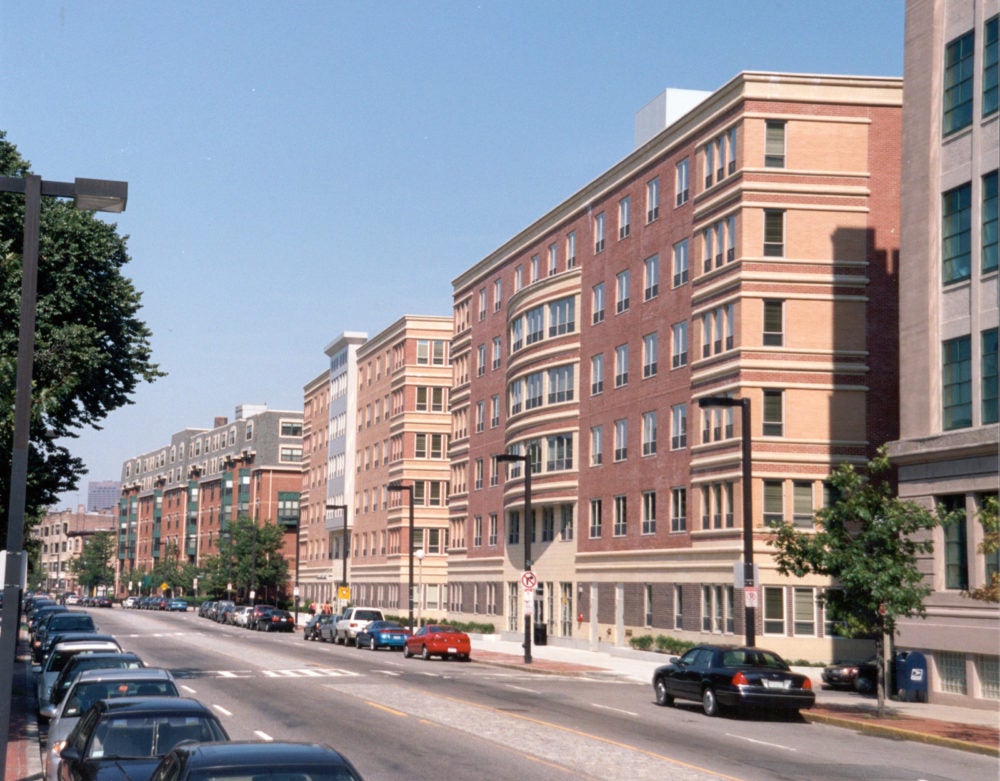
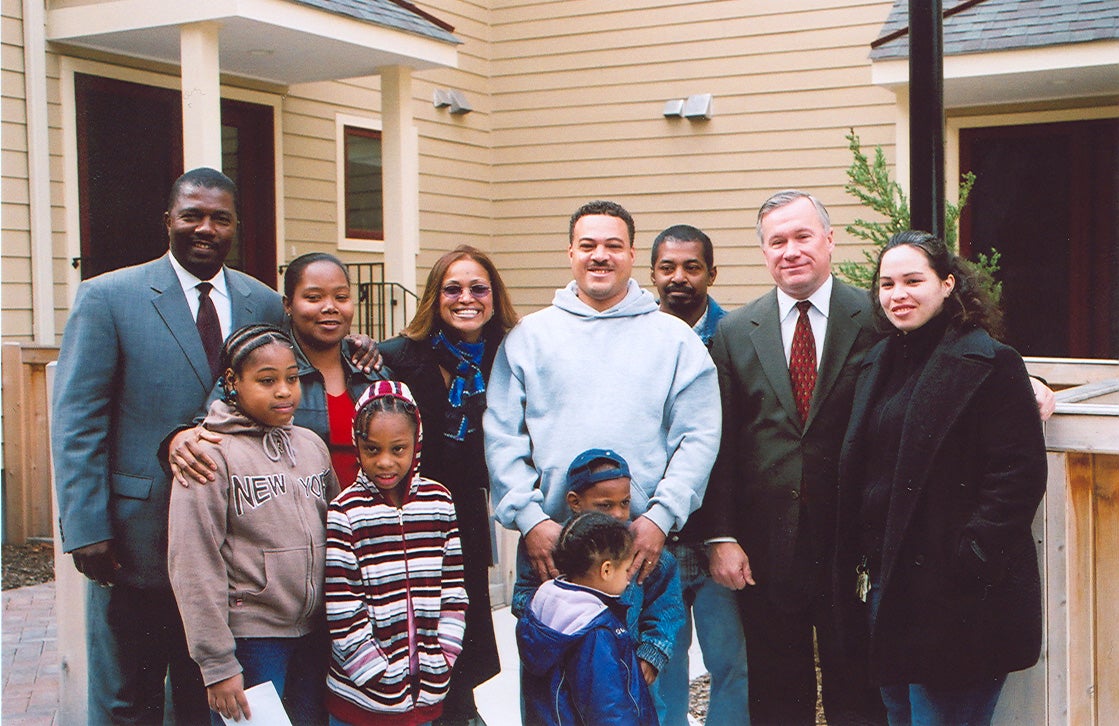
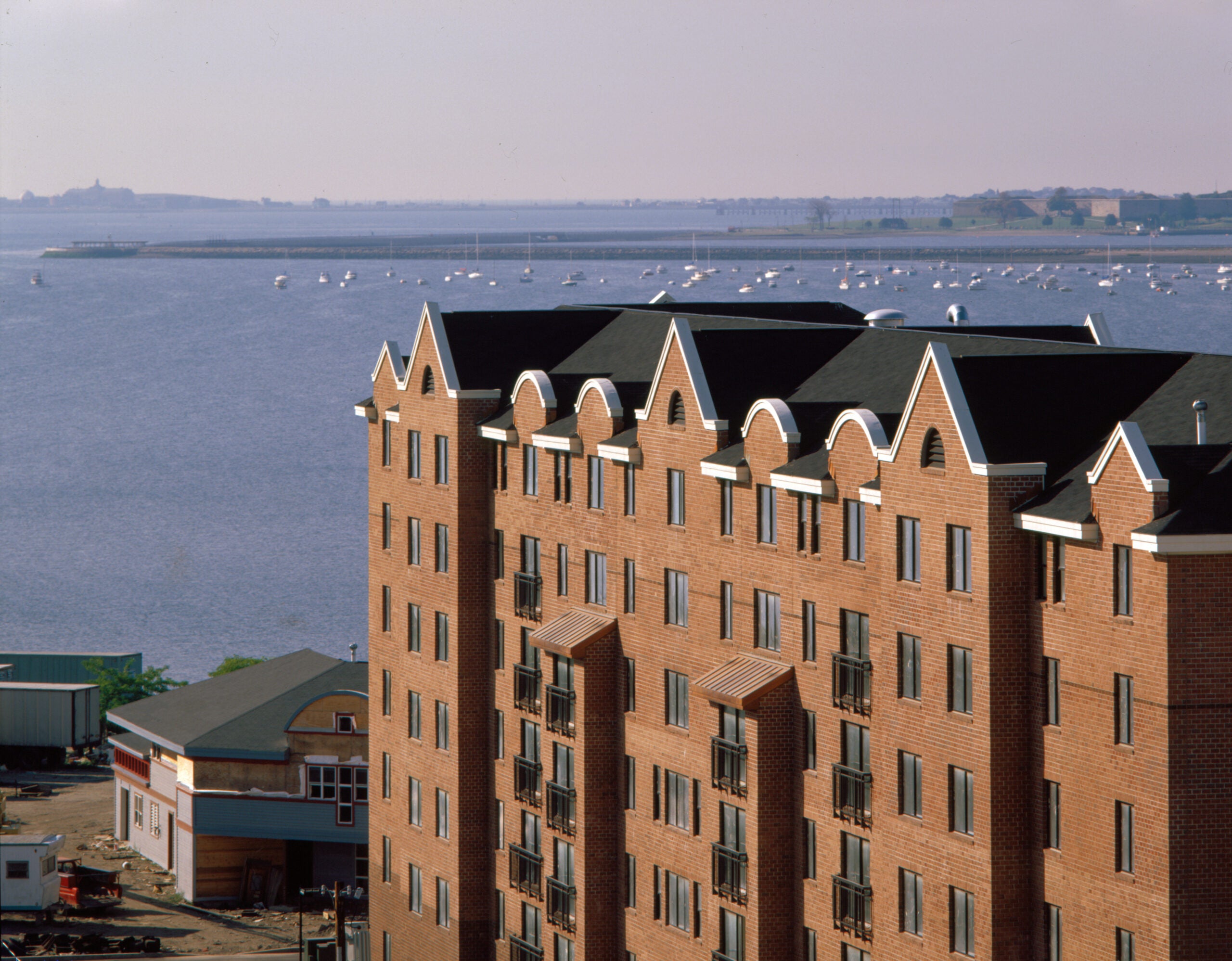
In 2000, MHFA partnered with Northeastern University and provided $45 million in financing to build much-needed student housing for the university and affordable condominiums for neighborhood residents. It was the first time a government housing agency had teamed with a university to house both students and families in a densely populated, urban area. In 2004, MassHousing completed the Demonstration Disposition Program, a 10-year effort in partnership with HUD to rehabilitate or rebuild 11 seriously troubled developments with 1,850 units. Resident groups actively participated in the process and many tenant associations became part owners. The Priority Development Fund was created in FY2004 with an initial $100M investment from MHFA’s Working Capital Fund to provide gap financing to spur the creation of new housing in the Commonwealth. MassHousing launched the Tenancy Preservation Program as a pilot in Western Massachusetts to address eviction risks for tenants with disabilities and behavioral health challenges. The program was then expanded statewide.

Pictured: Davenport Commons in Boston

2010s | Building on the Past

Landmark Preservation, Lending Growth, and Program Innovation

Between 2010 and 2016, MassHousing marked major milestones in preservation, lending, and program innovation, beginning with the Center for Community Recovery Innovations’ (CCRI) 100th sober‑housing grant in 2010 and followed by record‑setting preservation transactions, including $168 million for six properties in 2012 and $171.2 million for Georgetowne Homes in 2013. The Agency strengthened its national standing by becoming a Ginnie Mae Seller/Servicer and MAP lender, expanded borrower protections through MI Plus, and partnered with HUD and the U.S. Treasury for groundbreaking financing. MassHousing advanced community investments through initiatives like Quincy Heights, Operation Welcome Home for military families, and continued its surge in lending, surpassing $10 billion in home mortgages by 2016. That same year, the Agency launched the $150 million Opportunity Fund, dedicating significant resources to workforce housing for moderate‑income households.

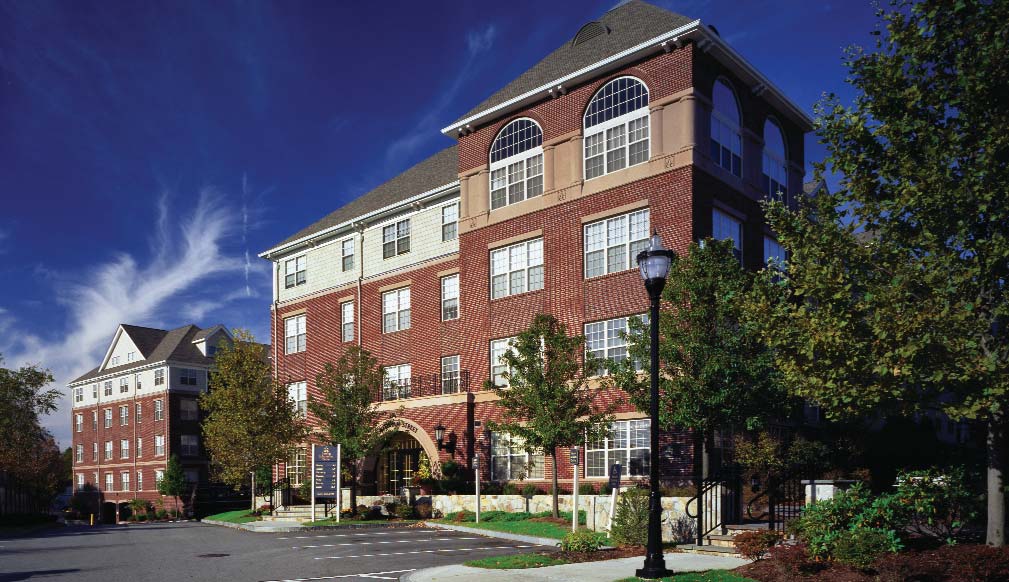
Pictured: Avalon at Newton Highlands, which received $40,000,000 in MassHousing financing to create 294 new rental homes in Newton.

2020-Today

Built to Evolve as Needs Change

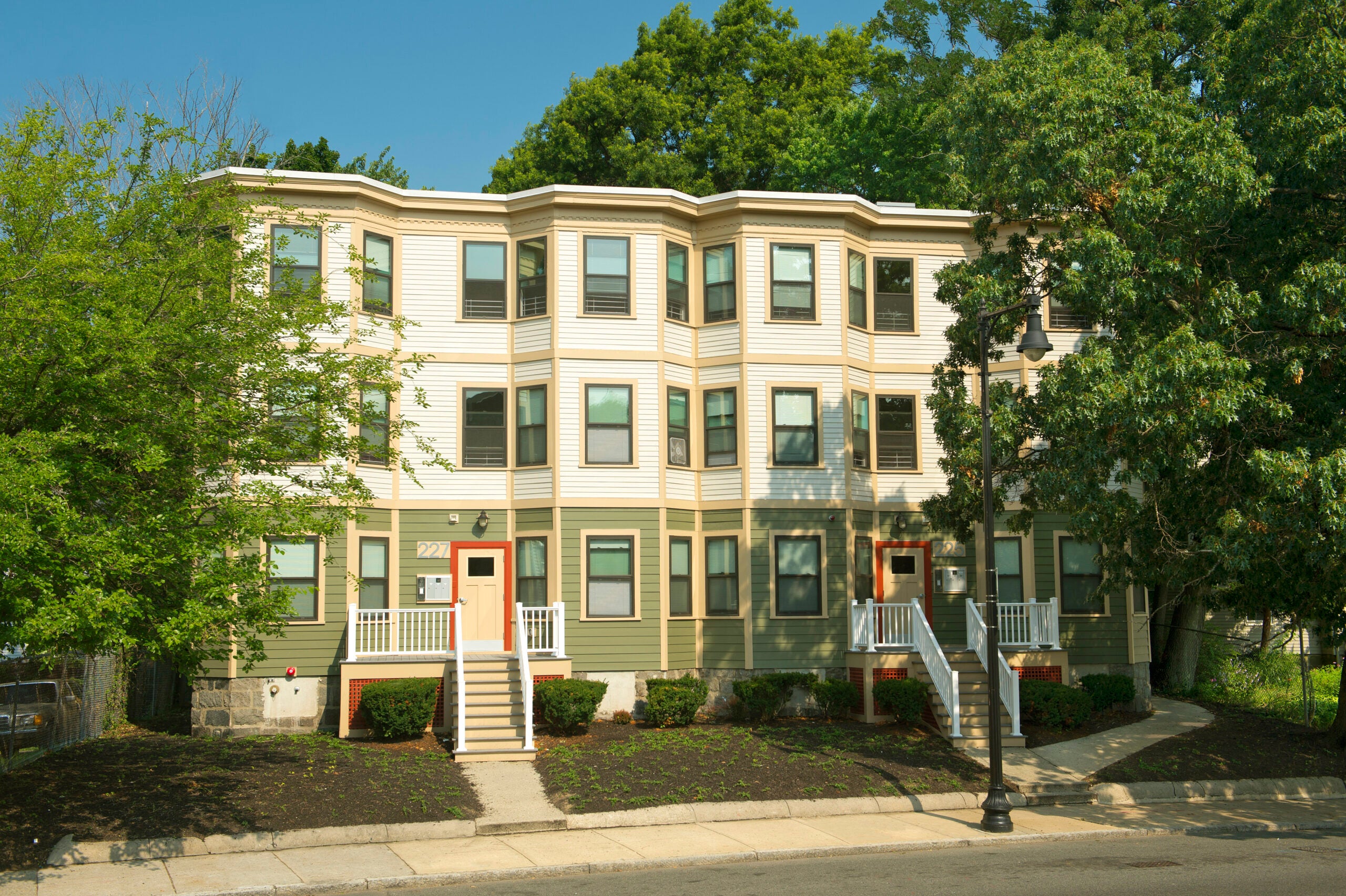
In 2021, MassDREAMS was established with state American Rescue Plan Act funds and offered down payment and closing cost grants of up to $50,000 to eligible first-time buyers residing in communities disproportionately affected by the COVID-19 Pandemic. In all, the MassDREAMS program made 1,141 awards to help borrowers purchase a first home. CommonWealth Builder (CWB), also launched that same year, provides forgivable subordinate construction financing to support the development of moderately priced homeownership units. To date CWB has committed $245M+ in funding to 43 developments resulting in 1,139 new homeownership opportunities . In 2023, the Massachusetts Community Climate Bank™ (MCCB™) was launched to accelerate investments that decarbonize the building sector, beginning with affordable housing. MCCB has since launched the Energy Saver Home Loan Program to help eligible homeowners cut their energy use and reduce or eliminate their reliance on fossil fuels and piloted a deep energy retrofit program for multifamily properties. In 2024, MassHousing partnered with the State to launch BILD (Bringing Innovation to Lending and Development) to create financing solutions for market-oriented, mixed-income rental housing construction to catalyze private capital investment.

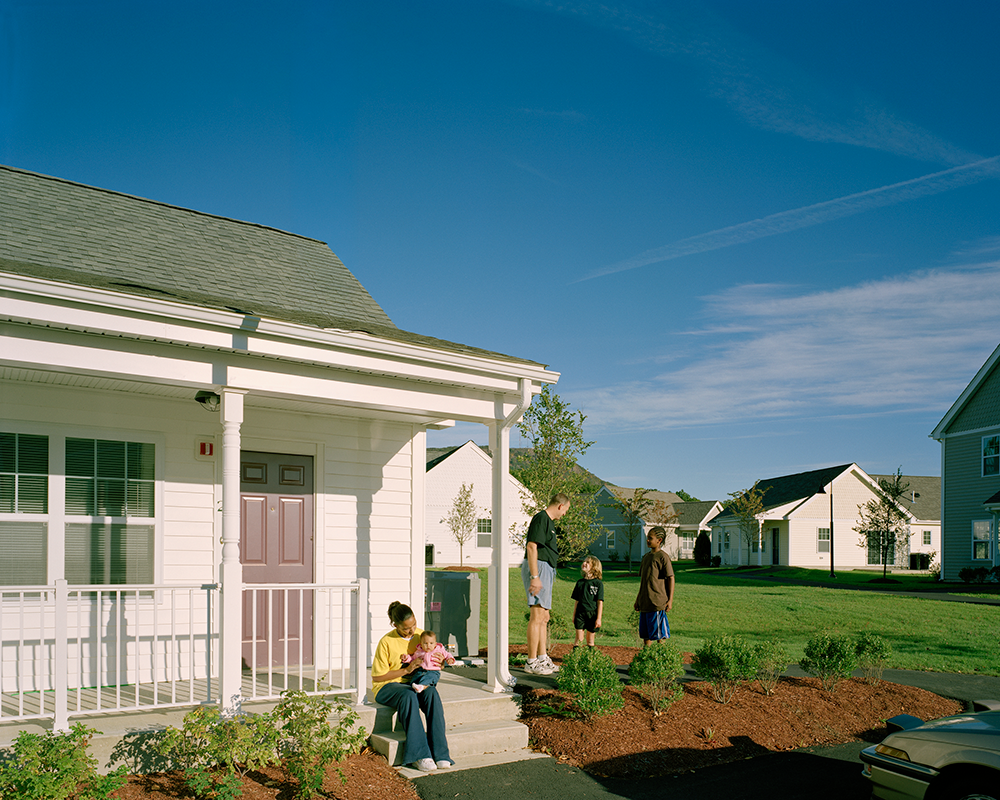
Pictured: Treehouse at Easthampton Meadow

MassHousing has been serving the Commonwealth for 60 years, continually evolving and innovating to meet emerging housing challenges. As the world changes, MassHousing remains committed to adapting its strategies and tools to meet the moment. While our approach will continue to evolve, our mission to support the people of Massachusetts through safe, stable, and affordable housing will never waver.

MassHousing's Impact

MassHousing has been confronting housing challenges in the rental space since 1966, and homeownership since 1982. Our offerings have expanded to include tenant‑preservation initiatives, sober housing preservation, and climate-friendly home improvements. Explore how these efforts have impacted the housing landscape across the Commonwealth: